Fender's crunched.
You answer first.
After a wreck, they call the first shop that picks up and sounds like it's handled this before. ServiceRelay answers every call on the first ring, books the estimate, and captures the claim — even when your crew's masked up in the booth. The estimate, and the insurance job behind it, stops walking down the street.
Built around how a collision shop actually runs.
First call after the wreck to booked estimate — the front office holds.
Serving and the towns around it.
Where does AI actually fit in a collision shop?
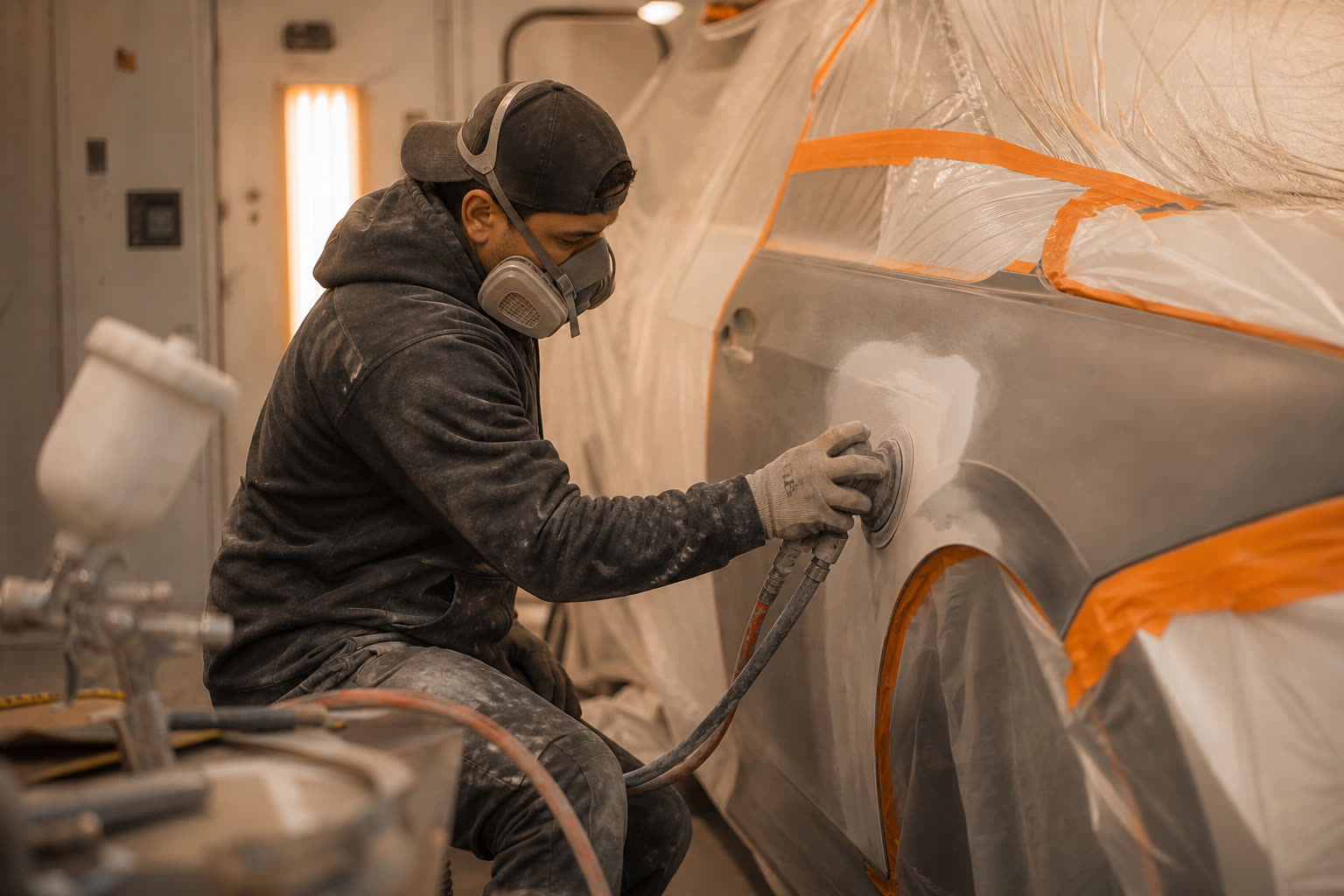
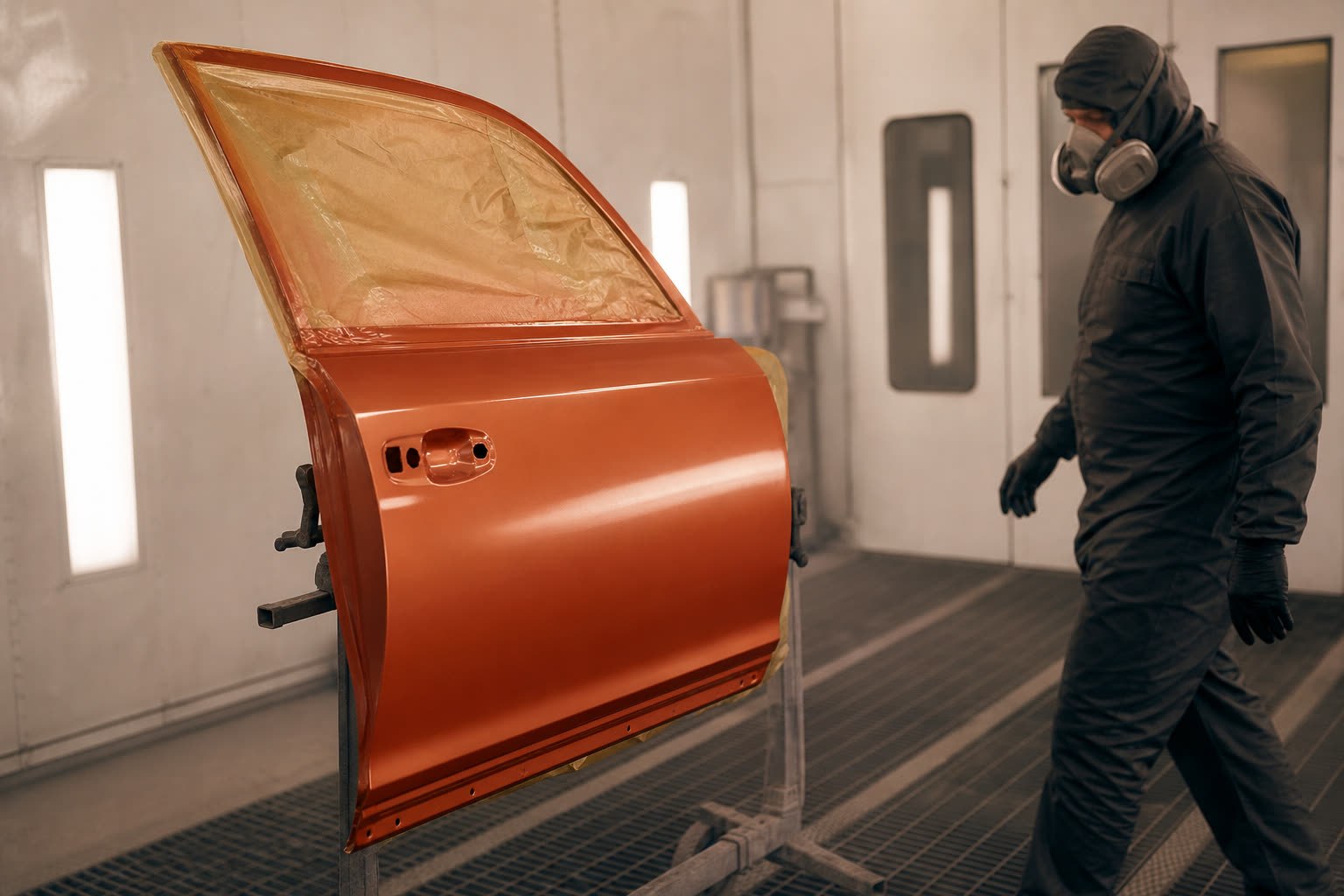
In the front office — not in the booth. After a collision, people call the first shop that answers and sounds like it's done this before. The AI picks up when your crew's masked up and heads-down, books the estimate, captures the claim and carrier details up front, and handles the weeks of 'is my car done yet' status calls a collision job generates. The bodywork and the paint stay with your techs.
- Wed 3:20 PM · rear-ended this morning, wants an estimate today. Crew's in the booth. Voicemail. Booked elsewhere.
- A collision job runs days to weeks — the "is it done yet" calls ran all day while two estimates sat waiting.
- Sat 7:40 PM · accident call after close. Voicemail. By Monday they'd been towed to whoever picked up.

What does it handle for every body shop?
The baseline kit — the calls, bookings, and follow-through every shop bleeds without. Each piece writes into the tools you already run.
Every call answered
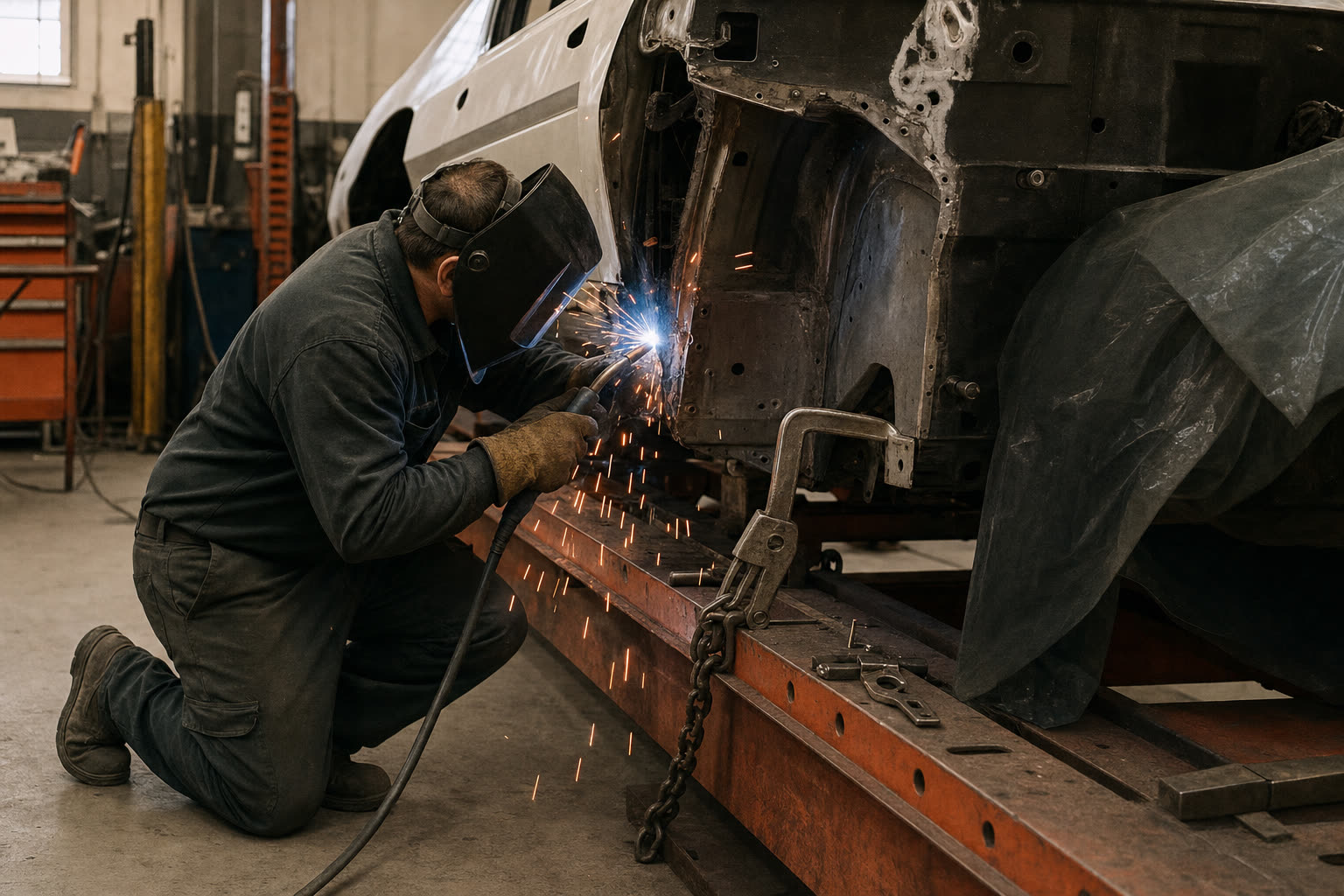
In the booth, on the frame rack, after hours — the agent picks up as your front office, every time it rings.
Estimates booked into your system
Estimate appointments and drop-offs booked into CCC ONE, Mitchell, or Audatex — with the customer and claim details attached.
Estimates that get chased
Every estimate gets a follow-up cadence the moment it goes out — homeowner and carrier both — until the job books or says no.
Reminders that kill no-shows
Estimate and drop-off confirmations fire on their own, so the car actually shows up.
Reviews on autopilot
The review ask goes out when the car's handed back looking new — timed to the reveal, not weeks later.
Missed-call text-back
If a call ever does slip, the caller gets a text in seconds — before they dial the next body shop.
What does it do that only matters to a body shop?
The collision-specific pieces — configured around claims, the weeks-long repair, and after-hours accidents, because that's where the high-dollar insurance work actually leaks.
Claim & insurance intake
Claim number, carrier, vehicle, and loss details captured on the first call and booked to the estimate, so nothing high-value sits in voicemail. Complex coverage questions route to your team with the context already gathered.
Weeks-long status calls
Collision jobs take days to weeks, which means a steady stream of 'is my car ready?' calls. The agent answers them so your estimators and techs stay on the repair instead of the phone.
After-hours accident calls
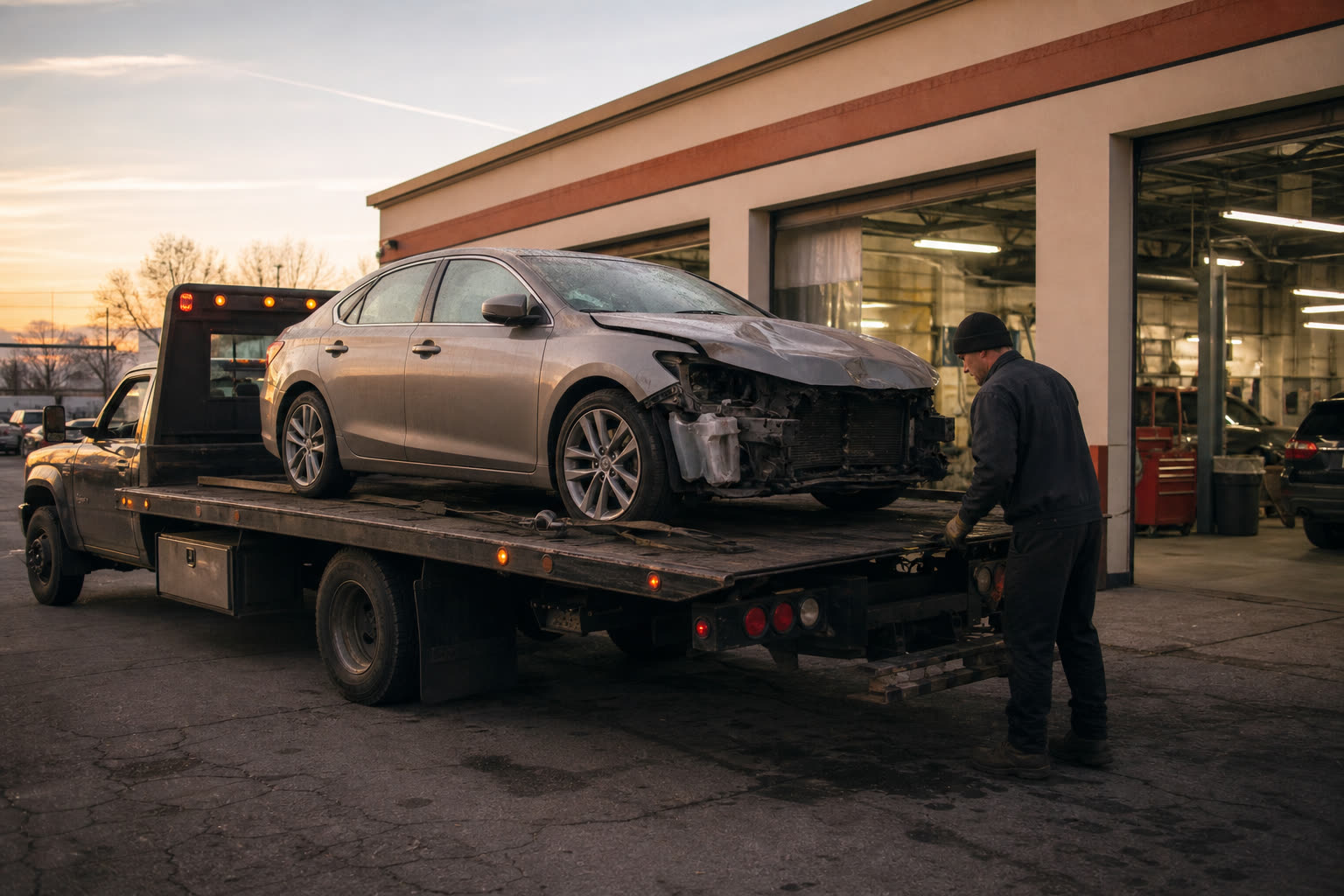
The late-night wreck call gets booked as a morning tow-in and estimate before they try the next shop. You open to booked work, not a full voicemail box.
What does a real call sound like?
This is the shape of it — your greeting, your questions, your system. Configured to how your shop answers, not a script we hand every body shop.
Hi — somebody backed into my car in a parking lot and the whole rear door's caved in. Can you look at it?
Sorry that happened — yes, we can get you in for an estimate. Is the car drivable, and are you filing this through insurance?
It drives fine, the door just won't open. And yeah, it's going through their insurance, not mine.
Good — a claim against their carrier. Do you have a claim number yet, or is that still in the works?
I've got it right here — ready when you are.
Perfect, I'll get it attached. We can do the estimate Thursday morning, 8 to 10 — you'll get a text confirming with what to bring, and we'll coordinate the rest with the adjuster from there.
- Estimate booked — Thursday 8–10, into the system you already run
- Claim logged: third-party carrier, claim # attached, rear-door damage
- Customer texted a confirmation + what-to-bring for the estimate
- You get the text: "Collision estimate booked Thu 8 AM — claim # on file."
All of that — the booking, the log, the texts — is the automation engine behind the agent doing its job the second the call ends. The agent is one piece of the suite; the follow-through is the rest.
The pieces auto body shops start with.
Each one stands alone — buy the piece that's bleeding the most and add the rest when it's earning its keep. See all plans · price your build →
Industry voice agent
A proven agent for your trade — start from the standard build (say, roofing) and customize it to how you answer.
Quote automation & PDF generation
Quotes that build and send themselves, with clean PDFs generated on the spot.
Booking tool + custom dashboard
A booking setup wired to how you actually take work, with a custom dashboard that shows the numbers you run on — jobs, leads, and follow-ups in one place. Scoped on a call.
What body shop owners ask before they buy
Will callers know it’s AI?
It answers as your front office and handles the call naturally — calm, the way someone who's walked a hundred people through a wreck would. The caller gets what they needed: an answer and a booked estimate instead of a voicemail.
Does it book estimates into my management system?
Yes. It books the estimate or drop-off and pushes it into your system — CCC ONE, Mitchell, Audatex, and others — with the customer and claim details attached. If it has an API, we wire it.
Can it handle insurance and claim questions?
It captures the claim, carrier, and vehicle details up front and books the estimate, so nothing high-value sits in voicemail. Complex coverage questions get routed to your team with the context already gathered.
What about “is my car ready?” calls?
Collision jobs take days to weeks, which means a steady stream of status calls. The agent answers them so your estimators and techs stay on the repair, and routes anything that needs a real update to your team.
What happens to calls after we close?
It answers them. The after-hours accident caller gets booked for a next-morning tow-in and estimate instead of calling the shop down the road. You open to booked work, not a full voicemail box.
What does it cost?
The industry voice agent is $99/mo (usage overages billed to you). Everything else is à la carte — start with the piece that's bleeding the most. Full pricing is on the pricing page.
Also built for: Equipment rental · Auto repair · all industries · the five systems
After a wreck, the first shop to answer wins the job.
Tell us how your shop runs and we'll show you the agent picking up live — your greeting, your estimate process, your system.