The 2 AM call gets answered.
And logged.
Water doesn't wait for business hours, and the homeowner standing in it calls down the list until somebody picks up. ServiceRelay answers every call — 2 AM included — captures the loss details while they're on the line, wakes the on-call crew by your rules, and keeps the estimate and the adjuster follow-through moving after the trucks roll.
Built around how a restoration company actually runs.
Emergency intake to closed claim — the front office holds.
Serving and the towns around it.
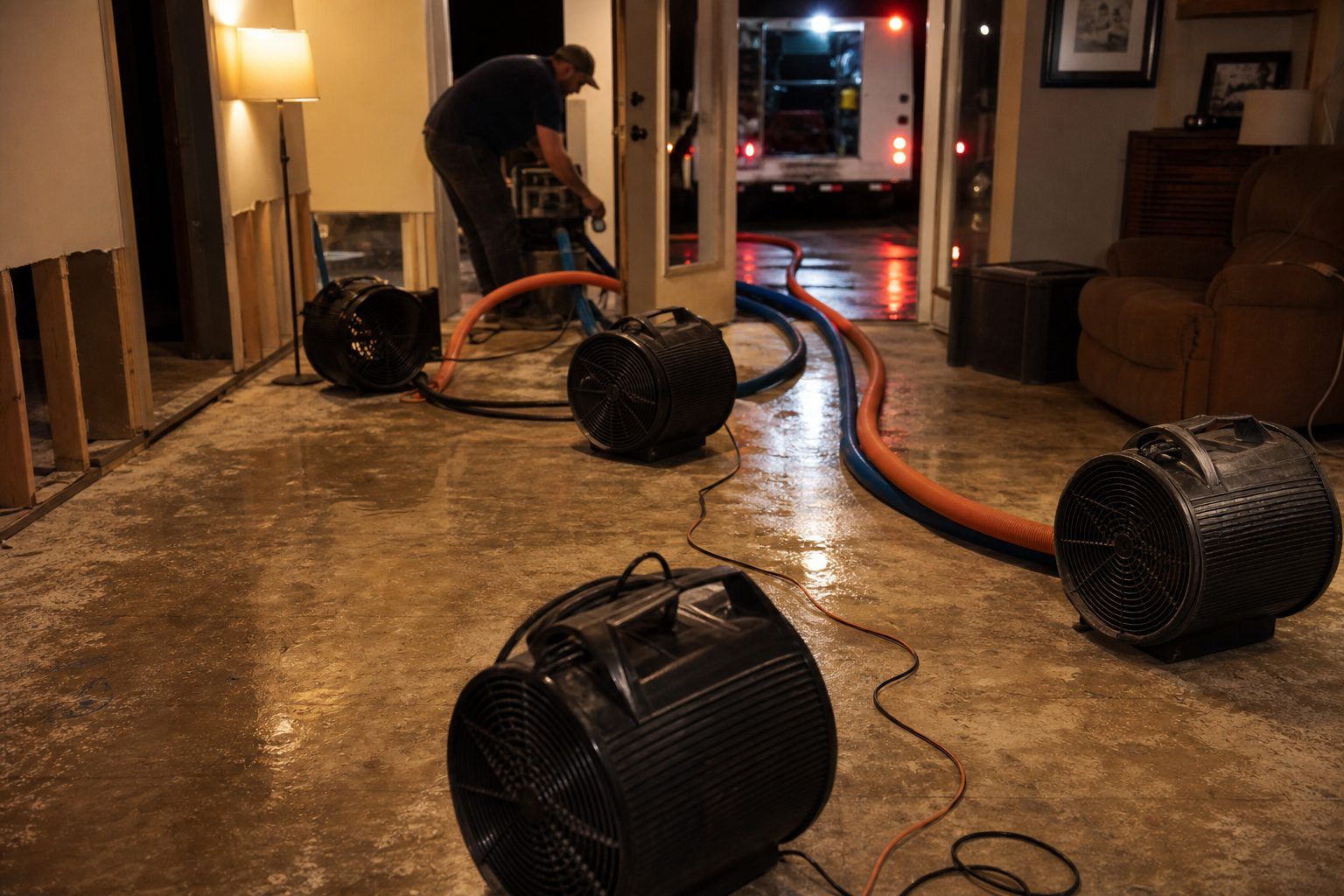
Where does AI actually fit in a restoration business?
In the front office — not in the crawlspace. The AI answers the emergency line around the clock, gets the loss details down while the caller is still standing in the water, pages the on-call crew by your rules, and chases the estimates and carrier paperwork that stall jobs for weeks. Mitigation and the judgment calls stay yours.
- 2:14 AM · finished basement flooding. Voicemail. They kept dialing until another company answered.
- The adjuster asked for the estimate twice. It went out late — and the job aged with it.
- The water-damage lead from Monday never got a callback. The plumber's referral went elsewhere.
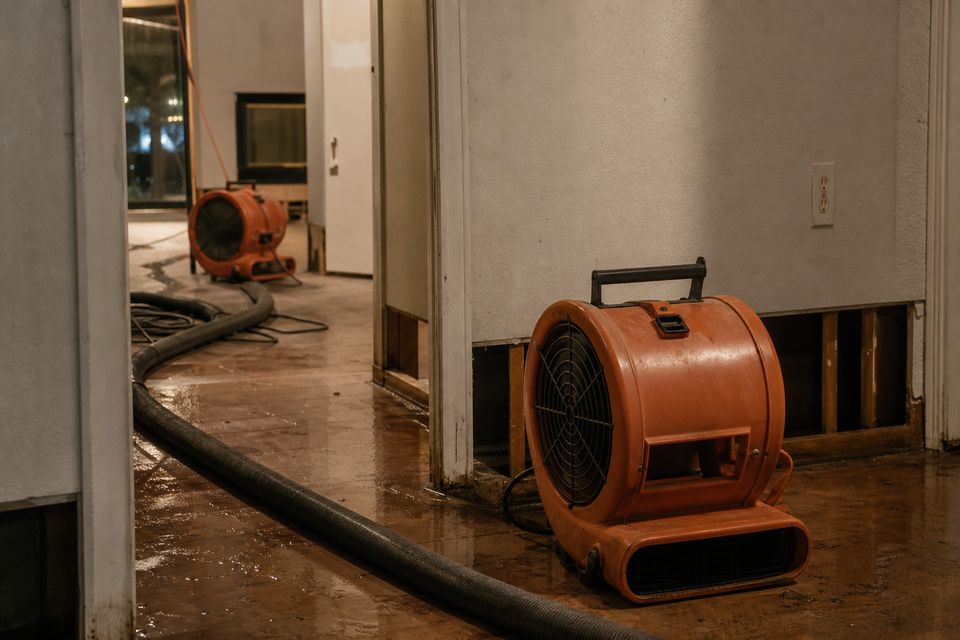
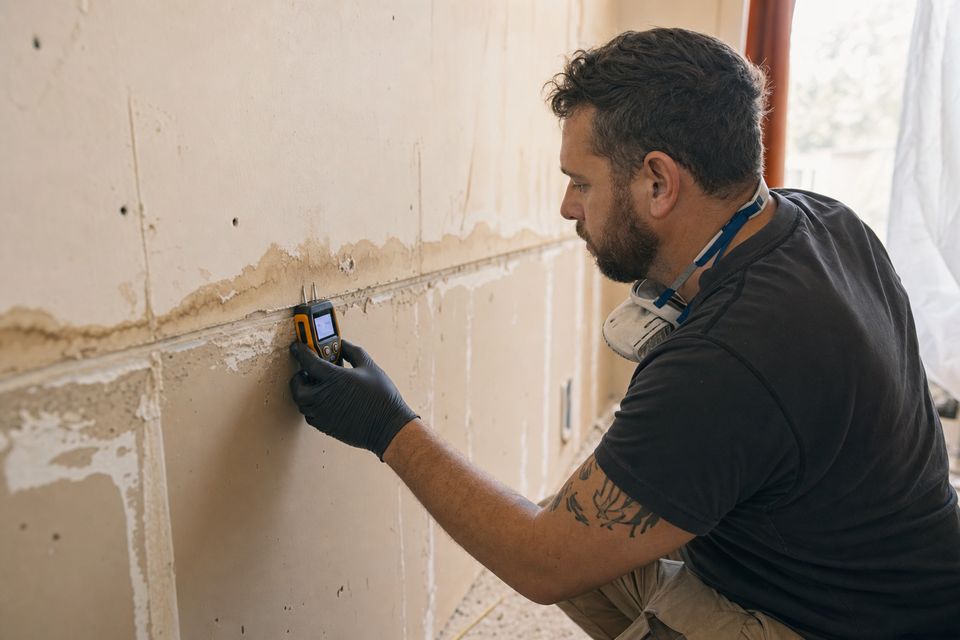
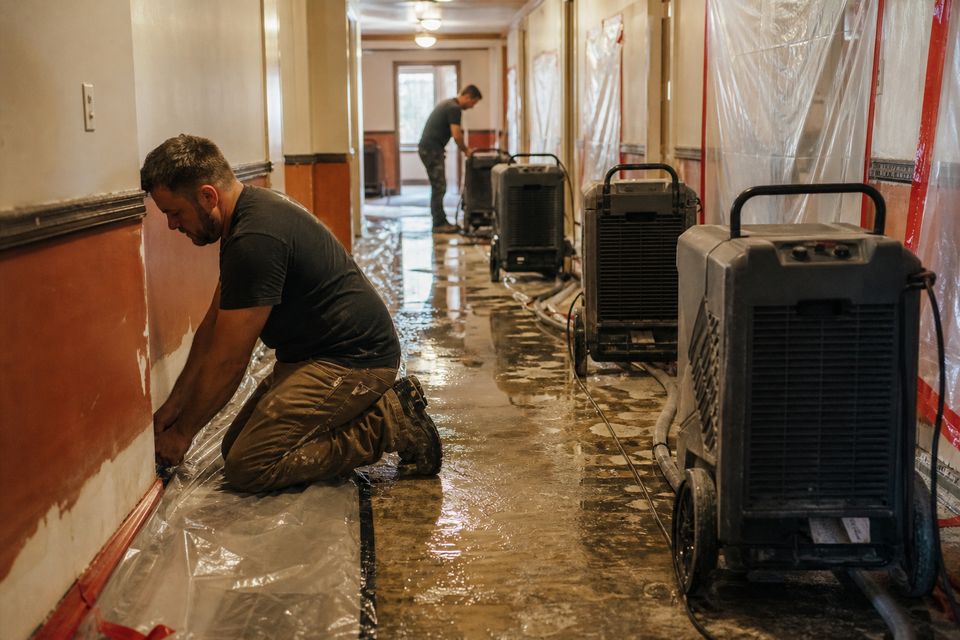
What does it handle for every restoration company?
The baseline kit — the calls, dispatches, and follow-through every restoration outfit bleeds without. Each piece writes into the tools you already run.
Every call answered
On a loss site, in a crawlspace, at 2 AM — the agent picks up as your office, every time it rings.
Captured and dispatched
Loss type, source stopped or still running, standing water or damp drywall — captured on the call and dispatched by the rules you set.
Estimates that get chased
Every estimate gets a follow-up cadence the moment it goes out — homeowner and carrier both — until it moves.
Reminders that keep jobs moving
Equipment checks, inspection windows, and appointment confirmations fire on their own, so the schedule holds.
Reviews on autopilot
The review ask goes out when the house is whole again — timed to the save, while the relief is still fresh.
Missed-call text-back
If a call ever does slip, the caller gets a text in seconds — before they dial the next company on the list.
What does it do that only matters in restoration?
The trade-specific pieces — configured around 24/7 intake, carriers, and the drying schedule, because that's where restoration money actually leaks.
24/7 loss intake
Loss type, affected rooms, source status, insurance carrier — captured on the first call, at any hour, so the crew rolls with the details instead of chasing them.
Adjuster follow-through
Estimate sent, supplement pending, approval stalled — the carrier follow-ups fire on a cadence, so the claim keeps moving without anyone babysitting it.
Drying-schedule reminders
Daily moisture checks and equipment pulls get confirmed and rescheduled automatically — the readings happen on schedule and the file stays clean.
What does a real call sound like?
This is the shape of it — your greeting, your intake questions, your dispatch rules. Configured to how your company runs, not a script we hand every outfit.
There's water everywhere — the basement's flooding and I can't tell where it's coming from. Are you open?
We're on 24/7 — let's get you moving. First: can you get to your main water shutoff? If it's a burst line, that stops it right now.
I think it's by the meter. Hold on… okay, it's off. It's slowing down.
Good — that just saved you a lot of damage. What's the address, and roughly how much of the basement is wet? Is it finished space?
It's finished, maybe half of it. 42 Maple, in town.
Okay — I'm dispatching the on-call crew now; they'll call you from the truck. Do you know who your homeowner's insurance is with? We'll document everything for the claim as we go.
- On-call crew paged — burst supply line, finished basement, water off
- Loss logged: address, affected rooms, carrier noted for the claim
- Homeowner texted a confirmation + what to move before the crew lands
- You get the text: "Water loss dispatched — 42 Maple, crew rolling."
All of that — the booking, the log, the texts — is the automation engine behind the agent doing its job the second the call ends. The agent is one piece of the suite; the follow-through is the rest.
The pieces restoration shops start with.
Each one stands alone — buy the piece that's bleeding the most and add the rest when it's earning its keep. See all plans · price your build →
Voice agent + automations
The voice agent plus the standard automations behind it — qualifying, booking, and writing the job into your system.
Lead funnel build-out
A web form feeding leads straight into your CRM or process, with the follow-up cadences built around how you sell.
Quote automation & PDF generation
Quotes that build and send themselves, with clean PDFs generated on the spot.
What restoration companies ask before they buy
Will callers know it’s AI?
It answers as your office and handles the call naturally — calm, at 2 AM, every time. It never claims to be on the crew, and the caller gets what they needed: an answer, the shutoff walked through, and a crew on the way.
Can it really handle a panicked 2 AM caller?
That's what it's built for. It doesn't get groggy and it doesn't skip intake questions at 2 AM. It steadies the caller, gets the loss details down, pages your on-call by your rules, and logs everything — the same way, every time.
Does it fit our job-management and estimating workflow?
If it has an API, we wire it — intake details, dispatch notes, and follow-ups land in the system you already run. The estimate itself stays in your estimator's hands; we make sure it goes out on time and gets chased.
What about referral sources — plumbers, agents, property managers?
They get answered like gold, because they are. Referral calls route and log by source, and the thank-you and status follow-ups that keep referrals coming fire on their own.
How fast can it be answering my phone?
Days, not months. The restoration agent starts from a proven build and gets configured to your intake questions, your on-call rotation, and your service area on a call with us.
What does it cost?
The industry voice agent starts at $99/mo (usage overages billed to you); the agent with the full automations behind it is $500 to configure, then $199/mo. Full pricing is on the pricing page.
Also built for: Roofing · Plumbing · Tree service · Pools · HVAC · Landscaping · Pest control · Electricians · all industries · the five systems
The next loss call comes at 2 AM. Answer it.
Tell us how your company runs and we'll show you the agent picking up live — your intake, your dispatch rules, your greeting.