No-heat call at 9 PM.
Booked by 9:04.
The first cold snap lights the board up and the office is two people deep. ServiceRelay answers every call, sorts no-heat from tune-up, books straight into dispatch, and keeps the maintenance renewals going out — so surge weeks feel like normal weeks.
Built around how an HVAC shop actually dispatches.
Emergency triage, tune-up season, plan renewals — handled.
Serving and the towns around it.
Where does AI actually fit in an HVAC business?
In the front office — not in the mechanical room. The AI answers the surge your two-person office can't, triages by urgency using your rules, books into the dispatch board you already run, and chases the replacements quotes and plan renewals nobody has time for. Diagnosis stays with the techs.
- 8:56 PM · no heat, newborn at home. Voicemail. They kept dialing.
- First cold snap: calls rolled to voicemail all day while the office chased parts.
- Maintenance renewals ran a season behind — nobody had time to chase them.
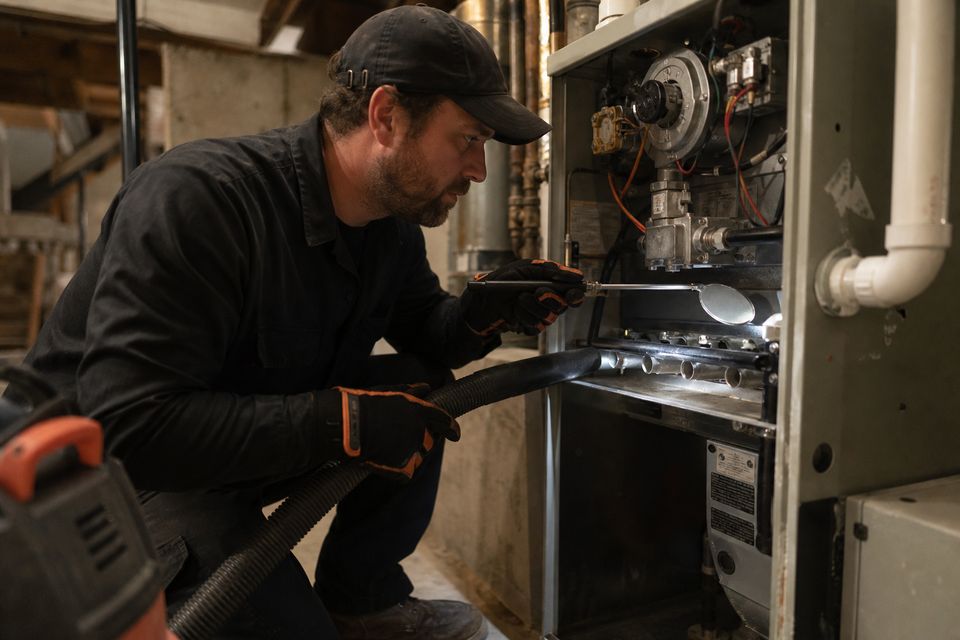
What does it handle for every HVAC shop?
The baseline kit — the calls, bookings, and follow-through every shop bleeds without. Each piece writes into the tools you already run.
Every call answered
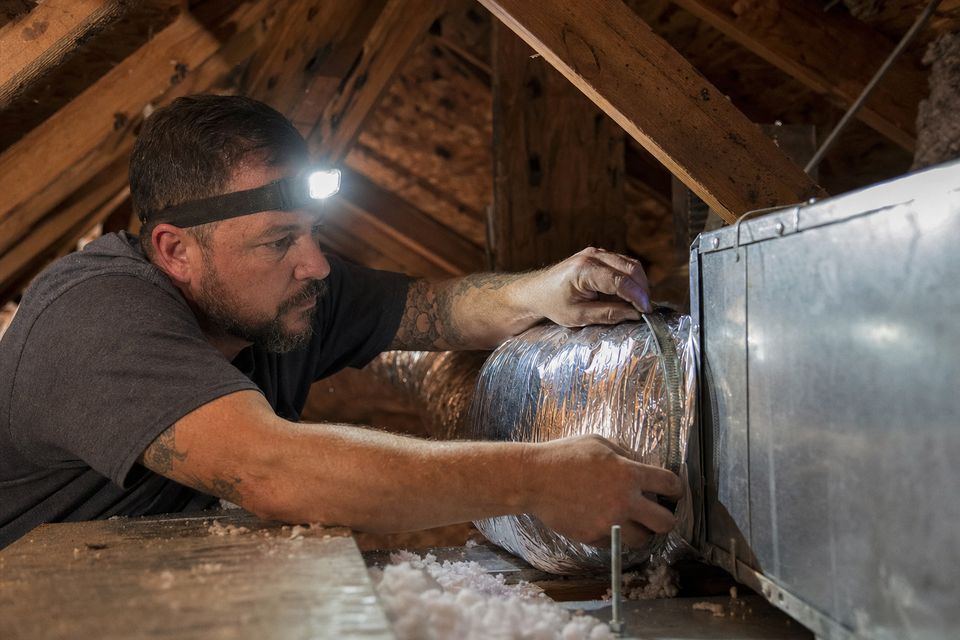
In an attic, on a rooftop unit, after hours — the agent picks up as your office, every time it rings.
Triaged and dispatched
No-heat, no-cool, tune-up, or estimate — sorted by your urgency rules and booked into the board you already run.
Quotes that get chased
Replacement and install quotes get a follow-up cadence the moment they go out — until they sign or say no.
Reminders that kill no-shows
Appointment confirmations and on-the-way alerts fire on their own, so somebody's home when the tech rolls up.
Reviews on autopilot
The review ask goes out when the house is comfortable again — timed to the save, not weeks later.
Missed-call text-back
If a call ever does slip, the caller gets a text in seconds — before they dial the next shop.
What does it do that only matters to HVAC shops?
The trade-specific pieces — configured around seasonal surges, urgency triage, and the maintenance-plan base your winter depends on.
Emergency triage
No-heat with a newborn routes as urgent per your rules; the rattle-that-can-wait books a normal slot. Your definitions, run consistently at 2 PM and 2 AM.
Maintenance-plan renewals
Renewal reminders and rebooking fire on their own — the plan base that smooths your year stops shrinking from neglect.
Surge coverage
First cold snap, first heat wave — every call answered and triaged while dispatch stays sane. The agent doesn't queue and doesn't burn out.
What does a real call sound like?
This is the shape of it — your greeting, your triage rules, your board. Configured to how your shop dispatches, not a script we hand every contractor.
Hi — our furnace just quit and it's supposed to drop below freezing tonight. We've got a baby in the house.
Let's get you moving. Two quick checks while I look at the board: is the thermostat set to heat, and is the furnace switch — looks like a light switch, near the unit — flipped on?
Thermostat's on heat. The switch... yeah it's on. Nothing's happening.
Okay — that's a real no-heat and tonight's a hard freeze, so you're going in as an emergency. The on-call tech can be there between 7 and 9 this evening. Does that work?
Yes, please. Tonight.
Done — 7 to 9 tonight. You'll get a text confirming and another when the tech's on the way. Keep the bedroom doors closed and the oven off — he'll be there soon.
- Emergency dispatched — on-call tech, tonight 7–9
- Call logged: no-heat, checks done (stat + switch), infant in home
- Homeowner texted a confirmation + on-the-way alert set
- You get the text: "No-heat emergency booked — on-call notified."
All of that — the booking, the log, the texts — is the automation engine behind the agent doing its job the second the call ends. The agent is one piece of the suite; the follow-through is the rest.
The pieces hvac shops start with.
Each one stands alone — buy the piece that's bleeding the most and add the rest when it's earning its keep. See all plans · price your build →
Voice agent + automations
The voice agent plus the standard automations behind it — qualifying, booking, and writing the job into your system.
Lead funnel build-out
A web form feeding leads straight into your CRM or process, with the follow-up cadences built around how you sell.
Quote automation & PDF generation
Quotes that build and send themselves, with clean PDFs generated on the spot.
What HVAC shops ask before they buy
Will callers know it’s AI?
It answers as your office and handles the call naturally. It never claims to read a gauge — and the caller gets what they wanted: an answer and a booked tech instead of voicemail.
Who decides what counts as an emergency?
You do, once. No-heat under a temperature threshold, no-cool with health risk, whatever you define — those route to on-call. Everything else books a normal slot. The agent runs your rules without getting tired.
Does it work with ServiceTitan, Housecall Pro, or FieldEdge?
If it has an API — and the HVAC platforms do — we wire it. Booked calls, triage notes, and plan status land in the board you already dispatch from.
Can it really handle the first cold snap?
That's the point of it. The agent doesn't queue, doesn't burn out, and doesn't call in sick during surge week — every call answered and triaged while your dispatchers dispatch.
How fast can it be answering my phone?
Days, not months. The HVAC agent starts from a proven build and gets configured to your greeting, your triage thresholds, and your board on a call with us.
What does it cost?
The industry voice agent starts at $99/mo (usage overages billed to you); the agent with the full automations behind it is $500 to configure, then $199/mo. Full pricing is on the pricing page.
Also built for: Roofing · Plumbing · Tree service · Pools · Restoration · Landscaping · Pest control · Electricians · all industries · the five systems
In New Jersey? The hvac Jersey edition — in person across Central Jersey.
The next cold snap is already scheduled. Be ready to answer.
Tell us how your shop dispatches and we'll show you the agent picking up live — your greeting, your triage, your board.