The storm hits.
You answer every call.
When a storm rolls through, every roofer's phone rings at once — and the shop that answers wins the season. ServiceRelay picks up the calls you can't, qualifies the damage, books the inspection, and keeps every estimate moving until it's signed. You stay on the roof. Nothing slips.
Built around how a roofing shop actually runs.
Storm surge to signed contract — the front office holds.
Serving and the towns around it.
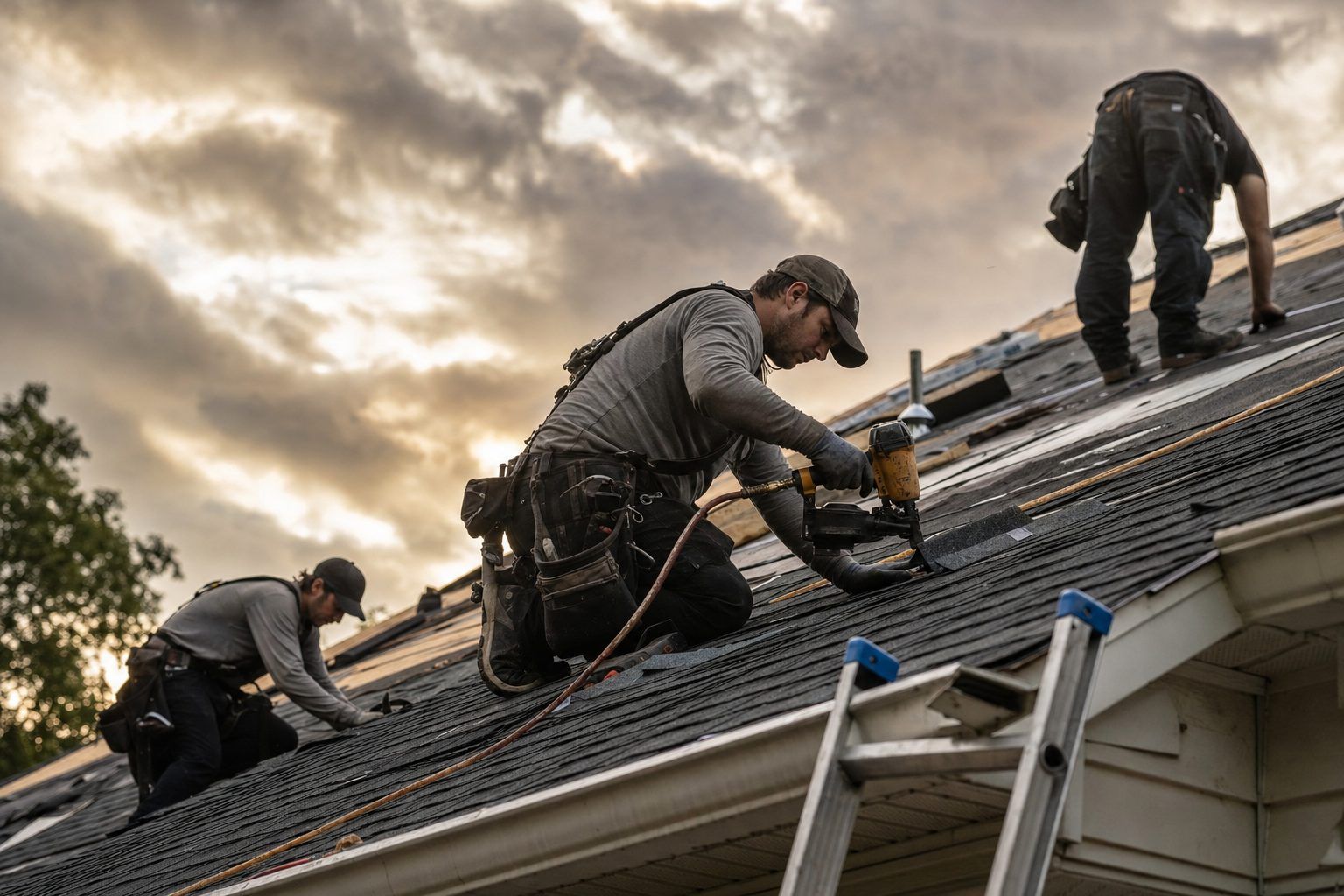
Where does AI actually fit in a roofing business?
In the front office — not on the roof. The AI answers the phone when your hands are full, works every lead the day it lands, and chases the estimates you already wrote. The crew, the inspections, and the judgment calls stay yours; the follow-through runs itself.
- Tue 2:40 PM · hail stops — six calls in an hour. Two answered. Four called the next roofer on the list.
- The storm lead from last week never got a callback. They signed with whoever followed up first.
- The estimate went out Tuesday. Nobody chased it. 'We figured you were booked — we went another way.'

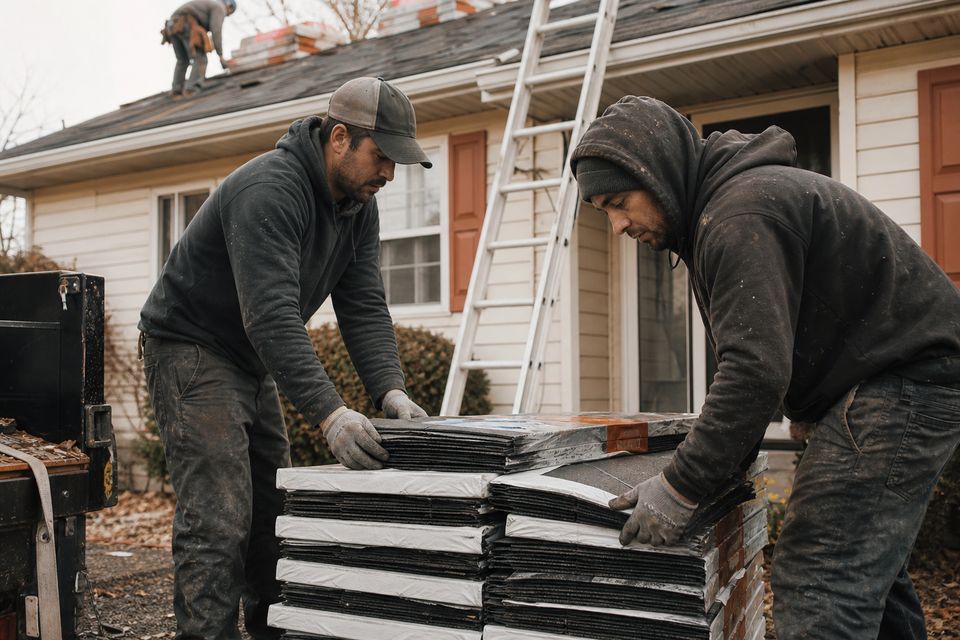
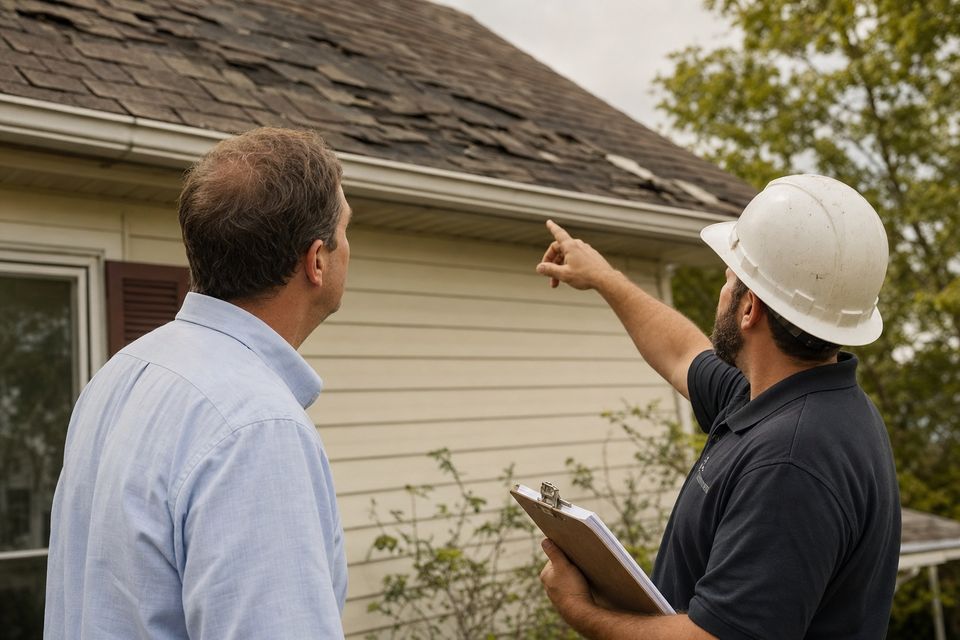
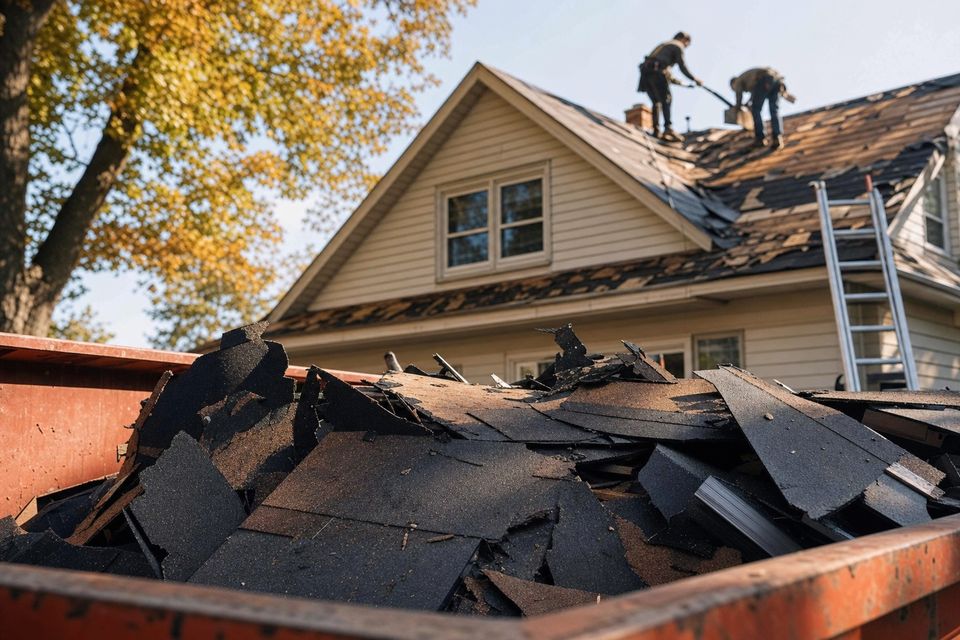
What does it handle for every roofing shop?
The baseline kit — the calls, bookings, and follow-through that every shop bleeds without. Each piece writes into the tools you already run.
Every call answered
On the roof, after hours, mid-tear-off — the agent picks up as your office, every time it rings.
Qualified and booked
Roof age, leak or no leak, insurance claim or cash job — qualified on the call and booked straight into your calendar.
Estimates that get chased
Every estimate gets a follow-up cadence the moment it goes out — until it signs or says no.
Reminders that kill no-shows
Inspection confirmations and day-before reminders fire on their own, so the homeowner is actually home.
Reviews on autopilot
The review ask goes out when the final invoice clears — while the new roof is still the best thing on the block.
Missed-call text-back
If a call ever does slip, the caller gets a text in seconds — before they dial the next name in Google.
What does it do that only matters to roofers?
The trade-specific pieces — configured around storm work, inspections, and insurance, because that's where roofing money actually leaks.
Storm-surge overflow
When the whole town calls at once, every call still gets answered — triaged by damage type and street, booked in the order you want to run them. The agent does not queue.
Inspection routing
Inspection windows booked around where your estimator already is — not scattered across three towns in one afternoon.
Insurance follow-through
Claim docs requested, adjuster meetings confirmed, supplements nudged — the paperwork trail that stalls jobs gets walked automatically.
What does a real call sound like?
This is the shape of it — your greeting, your questions, your calendar. Configured to how your shop answers, not a script we hand every roofer.
Hi — yeah, we've got shingles all over the yard after last night. Can somebody come look at it?
Sorry to hear it — we can get an estimator out. What's the address, and are you seeing anything inside — stains, dripping?
No leaks yet. Corner of the ridge looks rough from the ground though.
Good you caught it early. We have Thursday 9 to 11 or Friday afternoon for the inspection — which works? And will this be an insurance claim?
Thursday. And yeah, probably insurance.
Thursday 9 to 11 it is. You'll get a text confirming, plus what to have ready for the claim. Anything else while I have you?
- Inspection booked — Thursday 9–11, on the calendar you already run
- Lead logged with damage notes and claim status
- Homeowner texted a confirmation + claim checklist
- You get the text: "New storm lead — booked Thu 9AM, likely insurance."
All of that — the booking, the log, the texts — is the automation engine behind the agent doing its job the second the call ends. The agent is one piece of the suite; the follow-through is the rest.
The pieces roofing shops start with.
Each one stands alone — buy the piece that's bleeding the most and add the rest when it's earning its keep. See all plans · price your build →
Industry voice agent
A proven agent for your trade — start from the standard build (say, roofing) and customize it to how you answer.
Quote automation & PDF generation
Quotes that build and send themselves, with clean PDFs generated on the spot.
Lead funnel build-out
A web form feeding leads straight into your CRM or process, with the follow-up cadences built around how you sell.
What roofers ask before they buy
Will callers know it’s AI?
It answers as your office and handles the call naturally. It never pretends to be on the crew — and the caller gets what they actually wanted: an answer and a booked inspection instead of a voicemail.
What happens when a call needs me personally?
You set the rules. Emergencies route straight to your cell, complex calls get a same-day callback booked, and everything else is handled and logged. You see every call either way.
Does it work with AccuLynx, JobNimbus, or my CRM?
If it has an API — and the roofing platforms do — we wire it. Booked jobs, lead notes, and claim status land in the system you already run. Spreadsheet and a phone? We'll meet you there too.
Can it handle a storm surge — thirty calls in an hour?
That's the point of it. The agent doesn't queue and doesn't get tired; every call is answered, triaged by damage type, and booked in the order you want to run them.
How fast can it be answering my phone?
Days, not months. The roofing agent starts from a proven build and gets configured to your greeting, your service area, and your calendar on a call with us.
What does it cost?
The industry voice agent is $99/mo (usage overages billed to you). Everything else is à la carte — start with the piece that's bleeding the most. Full pricing is on the pricing page.
Also built for: Plumbing · Tree service · Pools · HVAC · Restoration · Landscaping · Pest control · Electricians · all industries · the five systems
Storm season doesn't wait. Neither should the phone.
Tell us how your shop runs and we'll show you the agent picking up live — your greeting, your questions, your calendar.