The limb comes down.
Your phone gets answered.
The night the wind hits, half the county is calling for removals — and your crew is already out with saws running. ServiceRelay answers every call, separates the tree-on-the-house from the someday-trim, and books estimates around where your crew already is.
Built around how a tree crew actually works.
Storm calls to signed estimates — while you're in the canopy.
Serving and the towns around it.
Where does AI actually fit in a tree service business?
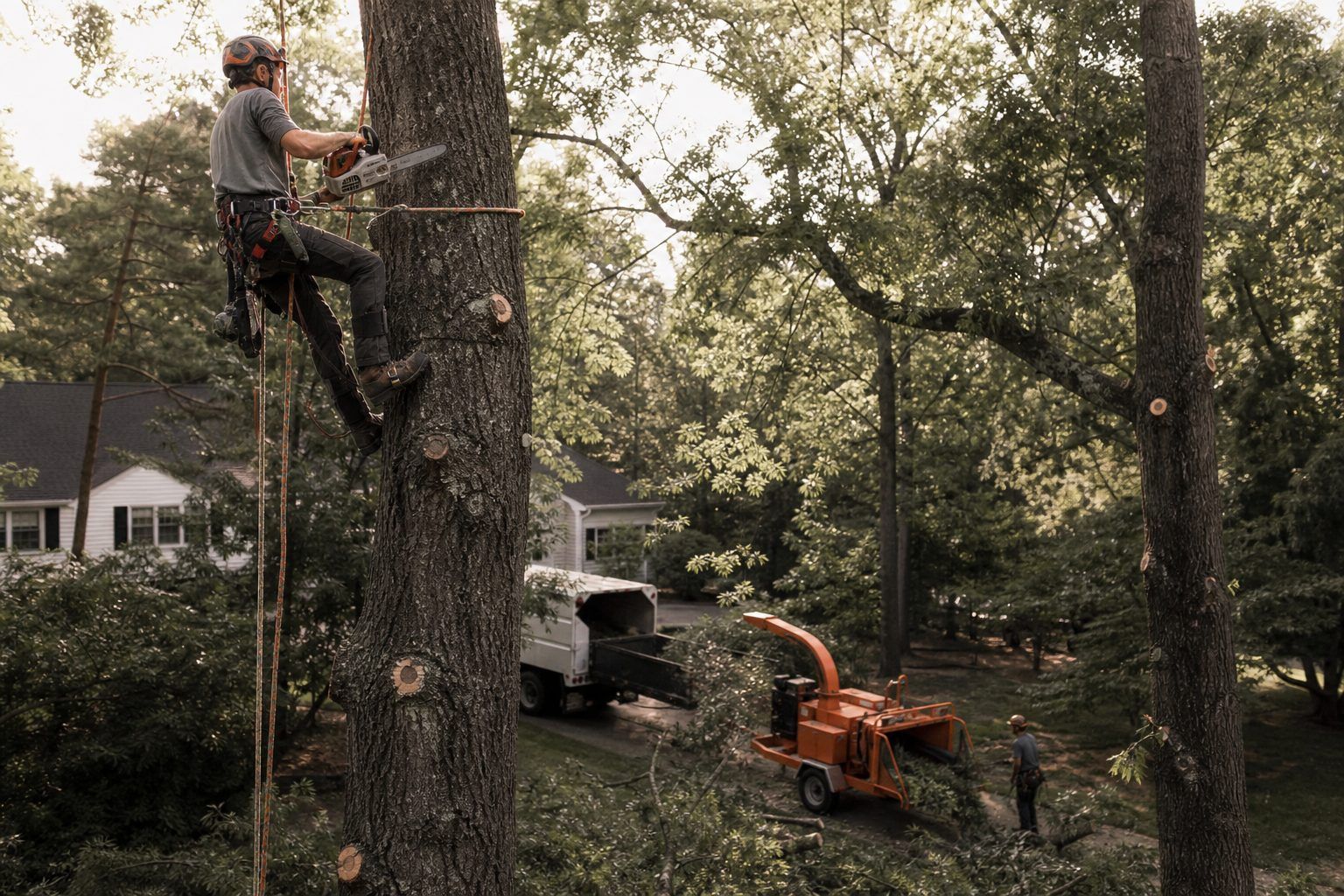
In the front office — not in the bucket. Nobody thirty feet up hears the phone, and the estimate that made your week came in as a call. The AI answers every one, triages storm damage from routine work, books the estimate, and chases the bid. The saws and the judgment stay yours.
- Sat 7:10 AM · oak on the garage after the wind. No answer — they called the next crew with a crane.
- The trim estimate from two weeks ago never got a follow-up. 'Figured you were slammed.'
- Crew in the trees all day — five calls went to voicemail. Two of them were removals.
What does it handle for every tree crew?
The baseline kit — the calls, bookings, and follow-through every crew bleeds without. Each piece writes into the tools you already run.
Every call answered
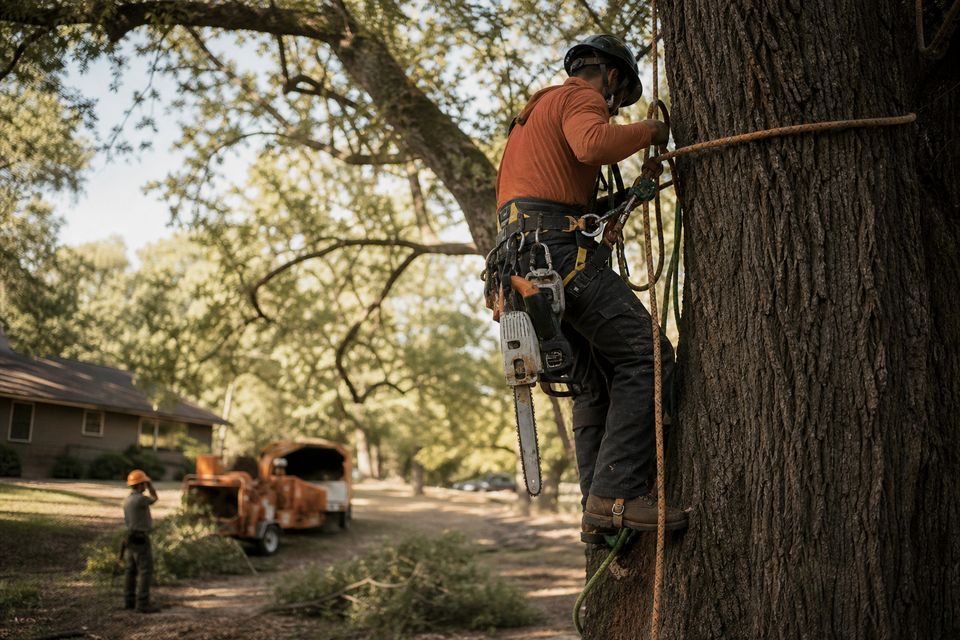
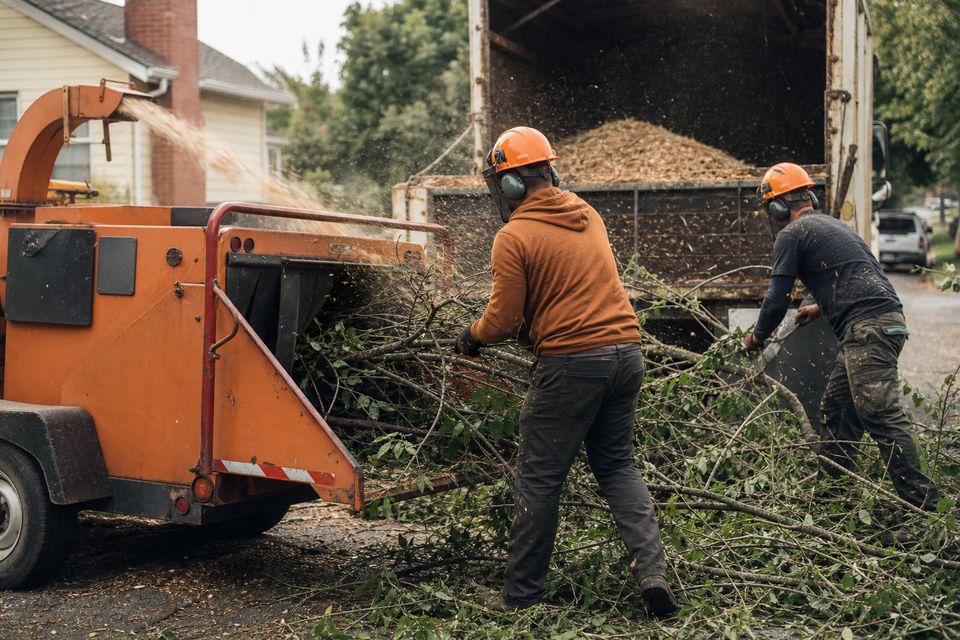
In the canopy, on the chipper, driving between jobs — the agent picks up as your office, every time.
Qualified and booked
Removal, trim, stump, or storm damage — sized up on the call and booked as an estimate straight into your calendar.
Bids that get chased
Every estimate gets a follow-up cadence the moment it goes out — until it signs or says no.
Reminders that kill no-shows
Estimate confirmations and day-before reminders fire on their own, so the homeowner is actually home.
Reviews on autopilot
The review ask goes out when the job wraps — while the clean yard is still impressive.
Missed-call text-back
If a call ever does slip, the caller gets a text in seconds — before they call the next crew.
What does it do that only matters to tree crews?
The trade-specific pieces — configured around storm surges, estimate routes, and equipment days, because that's where tree money actually leaks.
Storm-surge triage
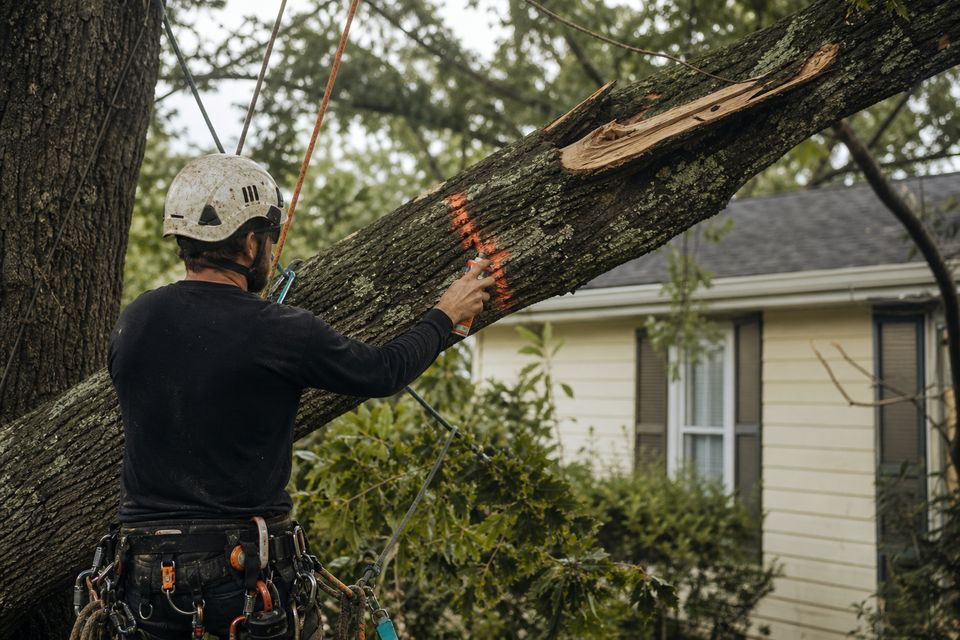
Tree on the structure, limb on the line, or cleanup that can wait — every storm call answered and prioritized, with anything touching a power line told to call the utility first.
Estimate routing
Quotes booked around where you or your estimator already are — not scattered across three towns in one afternoon.
Equipment-aware booking
Crane jobs land on crane days. Booking rules set to your gear and crew, so the schedule the agent builds is one you can actually run.
What does a real call sound like?
This is the shape of it — your greeting, your questions, your calendar. Configured to how your crew works, not a script we hand every outfit.
Hey — a big limb came down across the fence line last night. Need somebody to come look at it.
Actually half the tree's split. It's leaning toward the shed.
Glad you called before it finished the job. Is any of it on or near a power line? That changes who goes first.
No lines, it's all in the yard.
Good. We can have an estimator out tomorrow morning between 8 and 10, or Thursday afternoon. And if you can text a photo when we confirm, the crew comes ready.
Tomorrow morning works.
Booked, 8 to 10. You'll get a text to confirm with a link for the photo. If that lean gets worse tonight, call back and we'll re-triage it.
- Estimate booked — tomorrow 8–10, routed with the morning jobs
- Lead logged: split trunk, leaning toward structure, no lines
- Homeowner texted a confirmation + photo request
- You get the text: "Storm removal estimate, 8 AM — photo attached."
All of that — the booking, the log, the texts — is the automation engine behind the agent doing its job the second the call ends. The agent is one piece of the suite; the follow-through is the rest.
The pieces tree service shops start with.
Each one stands alone — buy the piece that's bleeding the most and add the rest when it's earning its keep. See all plans · price your build →
Industry voice agent
A proven agent for your trade — start from the standard build (say, roofing) and customize it to how you answer.
Quote automation & PDF generation
Quotes that build and send themselves, with clean PDFs generated on the spot.
Custom site + Local Attack
The custom build plus a full local push — AEO, GEO, and SEO, with three local pages added every month. Customizations included.
What tree crews ask before they buy
Will callers know it’s AI?
It answers as your office and handles the call naturally. It never claims to run a saw — and the caller gets what they wanted: an answer and a booked estimate instead of voicemail.
What about a real emergency — tree on the house at night?
Your rules decide. Structure and access emergencies ring you or the on-call lead; anything near a line gets pointed to the utility first; the rest books for morning. Every call is logged either way.
Does it work with Jobber, my calendar, or a paper book?
If it has an API, we wire it — booked estimates and lead notes land where you already work. If the schedule lives on a whiteboard and a cell phone, we'll meet you there and take it further.
Can it handle the morning after a windstorm?
That's the point of it. The agent doesn't queue and doesn't get tired — every call is answered, triaged by damage, and booked in the order you'd want to run them.
How fast can it be answering my phone?
Days, not months. The tree service agent starts from a proven build and gets configured to your greeting, your service area, and your equipment rules on a call with us.
What does it cost?
The industry voice agent is $99/mo (usage overages billed to you). Everything else is à la carte — start with the piece that's bleeding the most. Full pricing is on the pricing page.
Also built for: Roofing · Plumbing · Pools · HVAC · Restoration · Landscaping · Pest control · Electricians · all industries · the five systems
Storm work goes to whoever answers.
Tell us how your crew runs and we'll show you the agent picking up live — your greeting, your triage, your calendar.